


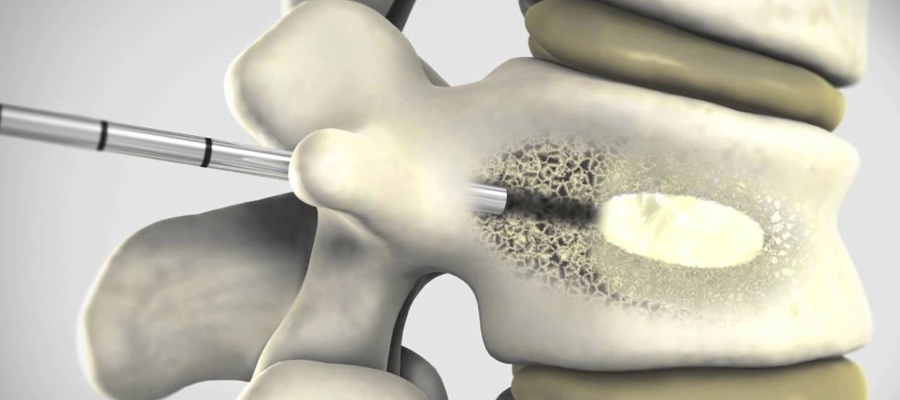
Vertebroplasty
Vertebroplasty is a minimally invasive surgical procedure designed to treat spinal compression fractures, often resulting from conditions like osteoporosis. This procedure involves the injection of a special bone cement into the fractured vertebrae to stabilize the bone, reduce pain, and restore the structural integrity of the spine.
Vertebroplasty is particularly beneficial for patients experiencing severe pain due to fractures that do not respond to conservative treatment options such as medication or physical therapy.
During the procedure, patients are typically placed under local anesthesia, and a small incision is made to access the affected vertebrae. Fluoroscopy, a type of real-time X-ray imaging, is used to guide the injection of the cement accurately.
The benefits of vertebroplasty include rapid pain relief, minimal recovery time, and the ability to resume daily activities shortly after the procedure. Most patients report significant improvements in pain levels and quality of life following vertebroplasty.
Kyphoplasty
Kyphoplasty is a surgical procedure similar to vertebroplasty, but it includes the added step of inflating a balloon within the fractured vertebra before injecting the cement. This inflation helps to restore the height of the collapsed vertebra and can further alleviate pain and discomfort. Kyphoplasty is particularly useful for patients who have experienced significant vertebral compression, as it can help to correct the deformity in addition to stabilizing the fracture.
The kyphoplasty procedure begins with the insertion of a balloon catheter into the vertebra. Once in place, the balloon is inflated to create space and restore the vertebral height. After this step, the balloon is deflated and removed, allowing the bone cement to be injected into the newly created cavity.
Patients generally experience immediate pain relief after the procedure, and the recovery time is typically shorter compared to traditional open surgeries. Kyphoplasty not only addresses pain but also aims to improve the overall spinal alignment.
Vertebroplasty vs. Kyphoplasty
While both vertebroplasty and kyphoplasty aim to treat spinal compression fractures, there are key differences between the two procedures. Vertebroplasty involves injecting cement directly into the fractured vertebra, whereas kyphoplasty first involves creating space by inflating a balloon. This distinction allows kyphoplasty to restore some of the lost vertebral height, which can be especially beneficial for patients with significant compression.
The choice between vertebroplasty and kyphoplasty largely depends on the specific condition of the fracture and the patient’s overall health. Kyphoplasty may be preferred for patients who have more severe deformities, while vertebroplasty may be suitable for those with less severe fractures.
Both procedures are considered minimally invasive and are associated with shorter recovery times compared to traditional surgical options. A thorough discussion with a healthcare provider can help determine the most appropriate option for individual patients.
Spinal Compression Fracture Treatment
Spinal compression fractures are a common consequence of osteoporosis and other conditions that weaken the bones. Treatment for these fractures typically begins with conservative measures, including pain management through medications and physical therapy. However, when conservative treatment fails to provide relief, surgical options like vertebroplasty or kyphoplasty may be considered.
The goal of spinal compression fracture treatment is to relieve pain, restore mobility, and improve the patient’s quality of life. Surgical intervention can provide immediate relief from the debilitating pain associated with these fractures. Furthermore, both vertebroplasty and kyphoplasty aim to stabilize the affected vertebrae and prevent further complications, such as additional fractures.
Vertebroplasty for Spinal Fractures
Vertebroplasty specifically addresses spinal fractures caused by compression, primarily in patients with osteoporosis. The procedure is designed to alleviate pain and restore the vertebrae’s stability. By injecting bone cement into the fractured area, vertebroplasty effectively stabilizes the spine and prevents further collapse of the affected vertebra.
Patients undergoing vertebroplasty can often expect a rapid improvement in pain levels. Many individuals are able to resume their normal activities within a short period post-surgery. The procedure is particularly advantageous for older adults, who may be more susceptible to fractures and may experience significant pain and reduced mobility as a result.
Kyphoplasty for Vertebral Compression Fractures
Kyphoplasty is an effective treatment for vertebral compression fractures that not only alleviates pain but also addresses spinal deformities. This procedure is particularly beneficial for patients with severe compression, as it aims to restore the height of the vertebra in addition to providing stabilization.
During kyphoplasty, the insertion of the balloon allows for the restoration of the vertebra’s shape before cement is injected. This dual approach can lead to better long-term outcomes, including improved spinal alignment and reduced risk of future fractures. Patients often report significant pain relief and enhanced functionality following the procedure, making kyphoplasty a valuable option in the management of vertebral compression fractures.
Minimally Invasive Spine Surgery
Both vertebroplasty and kyphoplasty are examples of minimally invasive spine surgery, which has gained popularity due to its benefits over traditional open surgical techniques. Minimally invasive approaches involve smaller incisions, reduced blood loss, and quicker recovery times. These methods allow surgeons to treat spinal conditions effectively while minimizing the impact on surrounding tissues.
Patients undergoing minimally invasive spine surgery generally experience less postoperative pain and a shorter hospital stay compared to those who undergo open surgery. This approach aligns with the growing trend toward less invasive techniques in modern medicine, emphasizing the importance of recovery and quality of life. As technology continues to advance, minimally invasive procedures will likely become even more prevalent in the treatment of spinal conditions.
Vertebroplasty and Kyphoplasty Procedure Recovery
Recovery from vertebroplasty or kyphoplasty is typically swift, with many patients experiencing immediate pain relief. After the procedure, patients are monitored for a short period before being discharged, often on the same day. Following the surgery, light activity is encouraged, and most individuals can return to their regular routines within a few days.
While the recovery period is relatively short, it is essential for patients to follow their surgeon’s postoperative care instructions to ensure optimal healing. This may include avoiding strenuous activities and gradually increasing physical activity levels. Regular follow-up appointments are crucial for assessing recovery progress and addressing any potential concerns that may arise after the procedure.
Overall, vertebroplasty and kyphoplasty represent effective treatments for spinal compression fractures, offering patients significant relief from pain and a return to functional mobility. As with any medical procedure, it is essential for patients to have thorough discussions with their healthcare providers to understand the risks, benefits, and expected outcomes associated with these surgeries.